
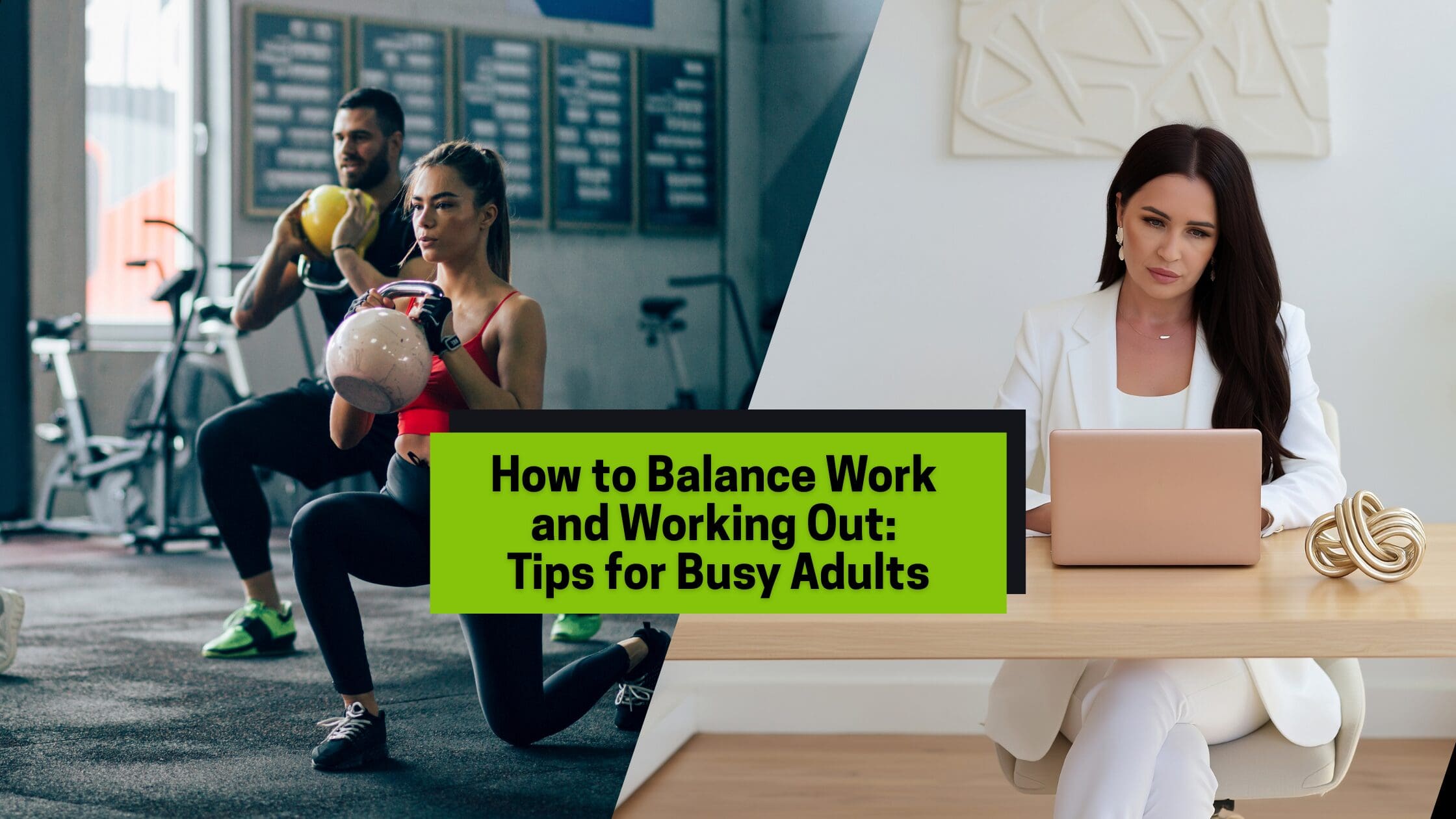
Balancing work and working out takes planning, small consistent workouts, and routines that fit your schedule to improve energy, focus, and long-term health.
Finding time for exercise while managing a busy work schedule is no easy feat. Between long office hours, family responsibilities, and daily chores, it’s easy for fitness to take a backseat. But learning how to balance work and working out doesn’t have to be stressful. With the right strategies, you can create a routine that keeps your body moving, improves energy, and fits comfortably into your life.
The trick is not trying to overhaul your life overnight. It’s about finding small, manageable ways to integrate movement into your day. Even short bursts of activity or adjusting your daily habits can have a huge impact. With intentional planning and some creative thinking, you can maintain your health and still get your work done without feeling burned out.
Why Balancing Work and Exercise Is Important
The importance of balancing work and exercise can’t be overstated. Exercise is more than just a way to look good, it’s essential for long-term physical and mental health. When you stay active, your body becomes stronger, your heart healthier, and your mind sharper. It helps regulate stress, keeps energy levels up, and even improves your sleep.
For busy adults, ignoring fitness can lead to fatigue, poor posture, and even burnout. On the other hand, incorporating movement into your routine makes you more focused, productive, and resilient. Balancing exercise with other life priorities ensures that your work doesn’t come at the cost of your health, and vice versa. Think of it as investing in yourself: a few minutes of activity each day pays off in energy, mood, and performance.
Common Challenges Busy Adults Face
We all know it’s easier said than done. Busy adults face several obstacles when trying to stay active:
1. Time Constraints:
Meetings, deadlines, and family responsibilities often push workouts to the bottom of the to-do list.
2. Low Motivation:
After a long day, it’s tempting to just relax on the couch instead of exercising.
3. Limited Access to Fitness Resources:
Not everyone has a gym nearby or the ability to attend fitness classes.
4. Information Overload:
Conflicting advice about exercise routines and diet can make planning feel overwhelming.
5. Inconsistent Routines:
Without structure, it’s easy for healthy habits to slip through the cracks.
Recognizing these challenges is the first step. Once you know what’s holding you back, you can create realistic solutions for balancing work and fitness tips for staying active.

10 Tips to Balance Work and Working Out
Here are ten practical tips to help you stay active, even with a packed schedule:
1. Schedule Workouts Like Meetings:
Treat exercise as a non-negotiable appointment on your calendar. By setting a specific time each day for your workouts, you’re much more likely to follow through. Consider reminders or notifications to help you stay consistent, just like you would for an important work meeting.
2. Short, High-Impact Sessions:
Don’t stress if you can’t carve out an hour-long session. Even 10 to 20 minutes of focused exercise, like a quick HIIT routine, core strengthening, or brisk walking, can have a meaningful impact on your fitness. These short sessions are perfect for busy days and can be surprisingly effective when done consistently.
3. Move During Your Commute:
Look for ways to sneak in activity while getting to and from work. Walking part of the way, cycling, or even getting off public transport one stop earlier can make a difference. Opt for stairs instead of elevators whenever possible. These small changes may seem minor, but they add up over time and keep your body moving throughout the day.
4. Micro-Workouts at Home or Office:
If you have long hours at a desk, break your day into small activity bursts. Desk stretches, squats, push-ups, or even walking around the office during calls can keep your muscles active. These micro-workouts are simple, don’t require equipment, and can help counteract the effects of prolonged sitting.
5. Use Fitness Apps or Trackers:
Technology can be a great motivator. Apps or wearable devices track steps, guide short workouts, and remind you to move throughout the day. Seeing your progress and receiving gentle nudges can help keep you accountable, especially when work gets busy.
6. Plan Nutrition and Hydration:
Exercise and nutrition go hand in hand. Eating balanced meals and staying hydrated ensures your body has the energy it needs for both work and workouts. Prepping snacks or meals ahead of time can prevent low-energy afternoons and make it easier to maintain a consistent exercise routine.
7. Exercise With Friends or Colleagues:
Working out with someone else increases accountability and makes exercising more enjoyable. Schedule group walks, virtual fitness classes, or post-work gym sessions with friends or colleagues. Having someone to share the experience with can also boost motivation on days when you feel tired or stressed.
8. Mix Different Types of Workouts:
Variety is key to maintaining both interest and overall fitness. Combine strength training, cardio, and flexibility exercises to target different areas of your body. This balanced approach helps prevent overuse injuries and keeps your routine exciting so it doesn’t feel like a chore.
9. Set Achievable Goals:
Focus on realistic, attainable milestones instead of aiming for perfection. Start with small steps like walking 5,000 steps a day or completing two short workouts per week. Celebrating small wins keeps you motivated and prevents frustration if you miss a day or have to adjust your schedule.
10. Reflect Weekly:
Take time each week to review what worked and what didn’t. Adjust your routines if needed, experiment with new exercises, and acknowledge your progress. Reflection encourages mindfulness about your habits and ensures your workouts continue to support both your health and work priorities.
By incorporating these tips, you can create a practical, flexible, and sustainable fitness plan. Even small, intentional efforts can improve your energy, reduce stress, and enhance productivity, all while maintaining a healthy balance between work and personal well-being.

How Occupational Therapy (OT) Supports Your Exercise Goals
Many people don’t realize how much occupational therapy can help with fitness goals. Occupational Therapy professionals guide busy adults to make exercise a seamless part of daily life. Their approach combines physical, mental, and lifestyle strategies to ensure movement becomes routine, enjoyable, and effective.
A. Goal Setting with OT
Occupational therapists help set personalized, realistic goals. They consider your work schedule, energy levels, and preferred activities to ensure exercise fits naturally into your life. Instead of pushing unrealistic expectations, Occupational Therapy focuses on achievable milestones that build consistency.
B. Creating Daily Routines for Exercise
Occupational Therapy professionals help craft routines that make movement a natural part of the day. They identify the best times for activity, recommend exercises that suit your environment, and build habits that don’t feel like a chore. Over time, these routines become second nature.
C. Improving Mental Health and Self-Regulation Through Consistent Exercise
Exercise guided by Occupational Therapy doesn’t just strengthen the body; it also enhances mental health. Consistent activity helps regulate stress, improve focus, and increase emotional resilience. OT guidance ensures you maintain these benefits even during hectic work periods. By combining expertise with personalized routines, OT makes staying active easier and more rewarding.
Start Small, Stay Committed, and Reap the Benefits
When it comes to balancing work and fitness, the key is starting small. Begin with short workouts, mini-walks, or desk stretches. Gradually increase duration and intensity as your body adjusts. Staying committed, even in small increments, leads to noticeable improvements in energy, mood, and overall health.
At New Horizons Wellness Services, we help busy adults create realistic wellness plans that integrate exercise into daily routines. Our occupational therapy services, personalized coaching, and practical guidance make it easier to prioritize your health while managing work responsibilities. With the right support, you can enjoy improved fitness, better posture, reduced stress, and enhanced productivity, all without overloading your schedule. Contact us now!

Frequently Asked Questions
How can I fit exercise into my busy work schedule without feeling overwhelmed?
Break workouts into smaller sessions, use micro-workouts during breaks, and schedule exercise like meetings to make it consistent without stress.
What’s the best time of day to work out when I have long office hours?
Choose the time when you feel most energized, morning, lunch breaks, or evening. Short, consistent workouts matter more than duration.
Are short workouts really effective if I don’t have time for a full session?
Yes. Even 10–20 minutes of high-intensity or focused exercise can boost metabolism, strengthen muscles, and improve cardiovascular health.
How can I stay motivated to exercise after a stressful day at work?
Exercise with accountability partners, choose enjoyable activities, and remind yourself of the long-term mental and physical benefits.
What are simple ways to stay active while working a desk job, and how can OT improve my posture and movement habits?
Micro-workouts, stretching breaks, and walking help. Occupational therapy guidance improves posture, movement efficiency, and long-term fitness habits.
Yours in Health,
New Horizons Wellness Services8880 SW Nimbus Ave Suite C.,
Beaverton, OR 97008
- https://g.page/newhws
New Horizons Wellness Services provides a true multidisciplinary approach to mental & physical health treatments for children, adults and families.