
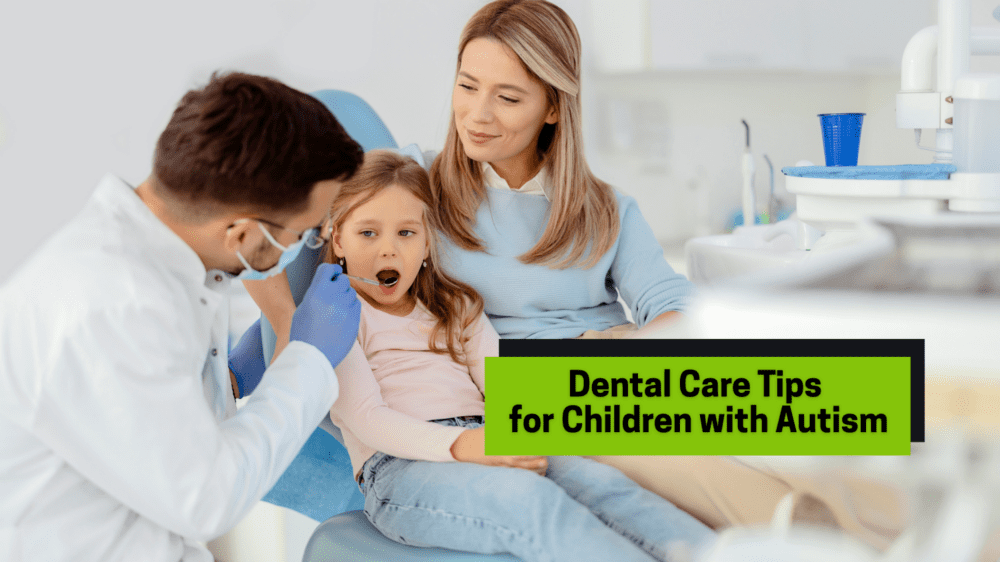
Dental care for children with autism is easier with consistent routines, sensory-friendly tools, visual supports, and gradual practice that builds comfort and confidence.
Maintaining good oral health is important for every child, but dental care can present unique challenges for children on the autism spectrum. Sensory sensitivities, communication differences, anxiety around routines, and difficulties with motor planning can all affect daily oral hygiene habits. As a result, many parents find that teaching toothbrushing and encouraging regular dental visits requires patience, flexibility, and individualized strategies.
The good news is that many children with autism can successfully develop healthy dental habits when given the right support. Small adjustments to the environment, consistent routines, visual aids, and sensory-friendly dental tools can make a significant difference. Understanding why brushing may be difficult is the first step toward creating a positive and sustainable dental care routine.
Parents searching for information about autism brushing teeth challenges often discover that there is no one-size-fits-all solution. Every child responds differently, which is why personalized approaches tend to be the most effective. This guide explores practical strategies that families can use at home to support oral hygiene and build confidence around dental care.
Why Dental Care Can Be Challenging for Children with Autism
Many children with autism experience sensory processing differences that affect how they respond to everyday activities, including brushing their teeth. The sensation of bristles against the gums, the taste of toothpaste, or even the sound of running water can feel overwhelming.
Sensory Sensitivities
A child may be highly sensitive to textures, tastes, smells, or sounds. Mint-flavored toothpaste may feel too intense, while the feeling of foam in the mouth can be uncomfortable.
Communication and Understanding
Some children may struggle to understand why brushing is necessary. Without clear explanations or visual demonstrations, oral hygiene tasks may seem confusing or unnecessary.
Difficulty With Changes in Routine
Children who thrive on predictability may resist new dental habits or changes to an established routine. Introducing a new toothbrush or toothpaste can sometimes trigger resistance.
Motor Planning Challenges
Brushing effectively requires coordination and sequencing. Some children may understand the task but find it difficult to perform the brushing motions correctly.

Common Toothbrushing Challenges Parents Face
Parents often report similar concerns when supporting their child’s oral health.
Refusing the Toothbrush
A child may turn away, push the toothbrush aside, or become upset when brushing is introduced.
Difficulty Tolerating Toothpaste
Strong flavors and foamy textures can be overwhelming for children with sensory sensitivities.
Limited Brushing Time
Some children may only tolerate brushing for a few seconds, making it difficult to clean all tooth surfaces adequately.
Anxiety and Avoidance
Past negative experiences can create fear around brushing and dental appointments, leading to ongoing resistance.
These challenges are common and do not mean that progress is impossible. Consistent, gradual exposure often helps children become more comfortable over time.
Step-by-Step Guide to Teaching Toothbrushing Skills
Building toothbrushing skills is often most successful when broken into manageable steps.
Start With Observation
Allow your child to watch siblings, parents, or caregivers brush their teeth. Modeling helps make the activity more familiar.
Introduce the Toothbrush Gradually
Begin by letting your child hold and explore the toothbrush without expectations. Touching and examining the brush can reduce anxiety.
Practice Small Steps
Focus on one step at a time. For example:
1. Hold the toothbrush.
2. Touch the toothbrush to the lips.
3. Place the toothbrush inside the mouth.
4. Brush one tooth.
5. Increase brushing duration gradually.
Use Positive Reinforcement
Praise, preferred activities, or small rewards can encourage participation and build confidence.
Create Predictability
Use the same sequence every day so brushing becomes part of an expected routine.
Sensory-Friendly Tools That Can Make Brushing Easier
The right tools can significantly improve the brushing experience. Because many children with autism have unique sensory preferences, finding products that feel comfortable can help reduce resistance and make daily oral care more successful. Sometimes, a simple change in toothbrush style or toothpaste flavor can make a noticeable difference.
1. Soft-Bristled Toothbrushes

Soft bristles are often more comfortable for sensitive mouths and gums. They provide gentle cleaning while reducing discomfort that may occur with firmer bristles. Some children may also prefer toothbrushes with smaller brush heads, which can make brushing feel less overwhelming.
Here are some sensory-friendly toothbrushes to consider:
● Extra-soft toothbrushes designed for sensitive teeth and gums
● Small-headed children’s toothbrushes that are easier to maneuver inside the mouth
● Silicone toothbrushes that provide a different texture experience
● Three-sided toothbrushes that clean multiple tooth surfaces at once
● Electric toothbrushes with gentle vibration settings
2. Electric Toothbrushes

Some children respond well to electric toothbrushes because the vibrating motion reduces the amount of manual brushing required. The consistent movement can help make brushing more effective while providing predictable sensory input that some children find calming. For children who struggle with coordination or motor planning, electric toothbrushes may also reduce the effort needed to brush thoroughly.
Here are some electric toothbrush features to consider:
● Gentle vibration settings for sensitive children
● Small brush heads designed for children’s mouths
● Built-in two-minute timers
● Quiet motors that minimize noise-related discomfort
● Easy-grip handles for improved control and independence
3. Mild-Flavored Toothpaste

Children with sensory sensitivities may prefer toothpaste with mild or unflavored options instead of strong mint flavors. Certain tastes, smells, or textures can feel overwhelming and make brushing unpleasant. Finding a toothpaste that your child can tolerate consistently can make daily oral care less stressful.
Here are some toothpaste options to consider:
● Mild fruit-flavored toothpaste
● Unflavored toothpaste formulas
● Low-foaming toothpaste options
● Smooth-textured toothpaste without gritty particles
● Fluoride toothpaste appropriate for your child’s age
4. Visual Timers

Timers can help children understand how long brushing will last and provide a clear beginning and end. Many children feel more comfortable when they know what to expect. Visual timers can reduce anxiety, increase predictability, and encourage children to brush for the recommended amount of time.
Here are some visual timing tools to consider:
● Two-minute sand timers
● Digital visual countdown timers
● Toothbrushing timer apps for children
● Color-changing timers that show progress
● Musical timers that make brushing more engaging
5. Adaptive Handles

Larger grips and adaptive toothbrush handles can improve independence for children with fine motor difficulties. These tools make it easier to hold and control the toothbrush, reducing frustration and supporting successful brushing habits. Increased independence can also help children feel more confident in managing their own oral care routine.
Here are some adaptive toothbrush options to consider:
● Toothbrushes with enlarged non-slip handles
● Ergonomic grips designed for easier hand positioning
● Foam tubing attachments that increase handle size
● Angled toothbrushes that improve access to different areas of the mouth
● Adaptive handles recommended by occupational therapists
Autism Speaks Dental Toolkit for Visual Support
Visual support can help children understand expectations and reduce anxiety related to oral care.
Using Visual Schedules
Visual schedules break brushing into simple, easy-to-follow steps. Children can see what happens first, next, and last.
Social Stories for Dental Care
Social stories explain dental routines in a predictable and reassuring way. They can help children prepare for both home brushing and dental visits.
Autism Speaks provides a Dental Tool Kit with pictures that families can use as a visual schedule or social story. These resources help children understand dental routines, reduce uncertainty, and increase participation in daily oral care activities.
How to Build a Consistent Dental Care Routine at Home
Consistency is one of the most important factors in developing successful oral hygiene habits.
Choose Fixed Times
Brushing at the same time each day helps establish predictability.
Pair Brushing With Existing Habits
Connect brushing with routines that already occur regularly, such as getting dressed or bedtime preparation.

Track Progress
Simple charts or visual trackers can motivate children and help families celebrate achievements.
Stay Patient
Progress may happen gradually. Some children require weeks or months to become comfortable with every step of brushing.
Work With Your Child’s Preferences
Adjust tools, toothpaste, and techniques based on what feels most comfortable and successful for your child.
Get Occupational Therapy Support for Your Child’s Dental Care Routine at NHWS
For some families, additional professional support can make a meaningful difference. Occupational therapists often help children develop the sensory regulation, motor planning, and daily living skills needed for successful oral hygiene routines.
At New Horizons Wellness Services, occupational therapy services focus on helping children build independence in everyday activities, including self-care tasks such as toothbrushing. Therapists can identify sensory challenges, recommend individualized strategies, and create personalized plans that support long-term success.
Families looking for practical support with autism brushing teeth concerns may benefit from occupational therapy interventions that address the underlying sensory and motor factors affecting oral care participation.
In addition to home routines, therapists may help prepare children for comfortable dental visits for kids with special needs by practicing dental-related activities in a supportive environment. These strategies can also complement care provided by a dentist for kids with autism or a dentist for autistic kids who understands the unique needs of neurodivergent children. Book a call now!

Frequently Asked Questions
Why does my child with autism resist brushing their teeth?
Resistance is often related to sensory sensitivities, anxiety, communication challenges, or difficulty understanding the purpose of brushing. Identifying the underlying reason can help guide effective solutions.
How can I help my child slowly get used to brushing?
Introduce brushing in small steps, use visual supports, allow exploration of dental tools, and provide positive reinforcement. Gradual exposure is often more successful than forcing participation.
What type of toothpaste is best for children with sensory issues?
Many children prefer mild-flavored or unflavored toothpaste. The best option is one that your child can tolerate consistently while still supporting oral health.
How long does it take to build a brushing routine?
The timeline varies for each child. Some children adapt within a few weeks, while others may need several months of consistent practice and support.
Can electric toothbrushes help children with autism?
Yes. Some children find electric toothbrushes easier and more effective because the vibration provides sensory feedback and reduces the amount of manual brushing needed. Others may prefer manual brushes, so individual preferences should guide the choice.
FAQs Schema code for Blogs 5 Questions
Yours in Health,
New Horizons Wellness Services8880 SW Nimbus Ave Suite C.,
Beaverton, OR 97008
- https://g.page/newhws
New Horizons Wellness Services provides a true multidisciplinary approach to mental & physical health treatments for children, adults and families.