
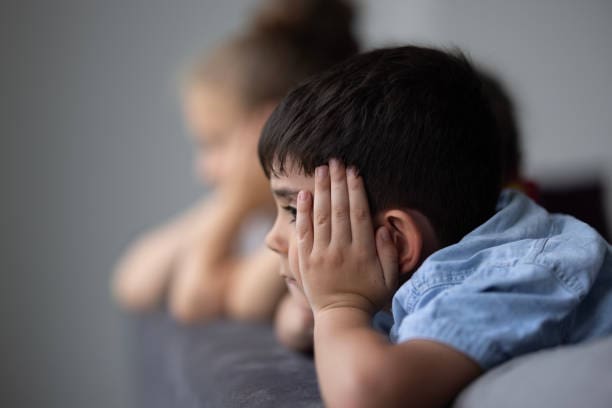
Autism spectrum disorder is a neurodevelopmental condition that affects communication, social interaction, and behavior, with symptoms and support needs varying widely across individuals.
Autism Spectrum Disorder (ASD) is a developmental disability that can cause significant social, communication and behavioral challenges. There is often nothing about how individuals with ASD look that sets them apart from other people. However, individuals with ASD may communicate, interact, behave, and learn in ways that are different from most other people. The learning, thinking, and problem-solving abilities of individuals with ASD can range from gifted to severely challenged. Some individuals with ASD need a lot of help in their daily lives; others need less.
A diagnosis of ASD now includes several conditions that used to be diagnosed separately: autistic disorder, Childhood Disintegrative Disorder, Asperger syndrome, Rett Syndrome, and pervasive developmental disorder not otherwise specified. These conditions are now all called autism spectrum disorder.
Signs and Symptoms
Individuals with ASD often have problems with social, emotional, and communication skills. They might repeat certain behaviors and they may experience difficulty when changes are made in their daily activities. Many individuals with ASD also have different ways of learning, paying attention, or reacting to things. Signs of ASD begin during early childhood and typically last throughout an individual’s life.
Children or Adults with ASD might:
● not point at objects to show interest (for example, not point at an airplane flying over);
● not look at objects when another person points at them;
● have trouble relating to others or not have an interest in other people at all;
● avoid eye contact and/or want to be alone;
● have trouble understanding other people’s feelings or talking about their own feelings;
● prefer not to be held or cuddled;
● appear to be unaware when people talk to them, but respond to other sounds;
● be very interested in people, but not know how to talk, play, or relate to them;
● repeat or echo words or phrases said to them, or repeat words or phrases in place of normal language;
● have trouble expressing their needs using typical words;
● not play “pretend” games (for example, not pretend to “feed” a doll);
● repeat actions over and over again;
● have trouble adapting when a routine changes;
● have unusual reactions to the way things smell, taste, look, feel, or sound;
● lose skills they once had (for example, stop saying words they were using).
If you have found this blog to be helpful, please “like” our Facebook page and follow our blog.
Supporting Individuals with Autism Spectrum Disorder
Autism spectrum disorder affects every individual differently, which is why early identification, personalized support, and ongoing intervention can make a meaningful difference. Understanding the signs and characteristics of ASD helps families, caregivers, educators, and individuals access the resources they need to build communication, independence, and everyday life skills.
At New Horizons Wellness Services, we provide individualized care to support children and adults with autism spectrum disorder through services such as:
- Counseling Services: Our counseling services provide compassionate emotional and behavioral support for individuals with ASD and their families, helping them navigate everyday challenges, develop coping strategies, and improve overall well-being.
- Occupational Therapy Services: We offer both occupational therapy for adults and pediatric occupational therapy to help individuals strengthen daily living skills, improve sensory processing, enhance motor development, and increase independence at home, school, work, and in the community.
- Social Skills Groups: Our social skills groups provide a supportive environment where individuals with autism can practice communication, build meaningful relationships, develop confidence in social settings, and strengthen peer interaction skills.
Every individual with autism has unique strengths and challenges. With the right support and evidence-based services, many people with ASD can continue developing essential life skills, achieve greater independence, and lead fulfilling lives. If you or a loved one could benefit from personalized autism support, New Horizons Wellness Services is here to help. Contact us now!
Frequently Asked Questions
At what age can Autism Spectrum Disorder (ASD) be diagnosed?
ASD signs typically appear during early childhood, often before age 3. Early observation of social, communication, and behavioral differences can help with timely diagnosis and intervention.
Can people with ASD have different learning abilities?
Yes. Individuals with ASD can range from gifted in certain areas to significantly challenged in others. Their learning styles and problem-solving abilities can be highly unique.
Are there different types of Autism Spectrum Disorder?
ASD now includes conditions previously diagnosed separately, such as autistic disorder, Asperger syndrome, Rett syndrome, Childhood Disintegrative Disorder, and pervasive developmental disorder not otherwise specified.
How does ASD affect social interactions?
People with ASD may struggle with understanding others’ feelings, maintaining eye contact, forming friendships, or engaging in typical social behaviors. They may prefer solitary activities or have difficulty relating to peers.
Can sensory sensitivities be a part of ASD?
Yes. Individuals with ASD often have unusual reactions to sensory stimuli, such as sights, sounds, textures, tastes, or smells. These sensitivities can impact daily activities and require supportive strategies.
Yours in Health,
New Horizons Wellness Services8880 SW Nimbus Ave Suite C.,
Beaverton, OR 97008
- https://g.page/newhws
New Horizons Wellness Services provides a true multidisciplinary approach to mental & physical health treatments for children, adults and families.