
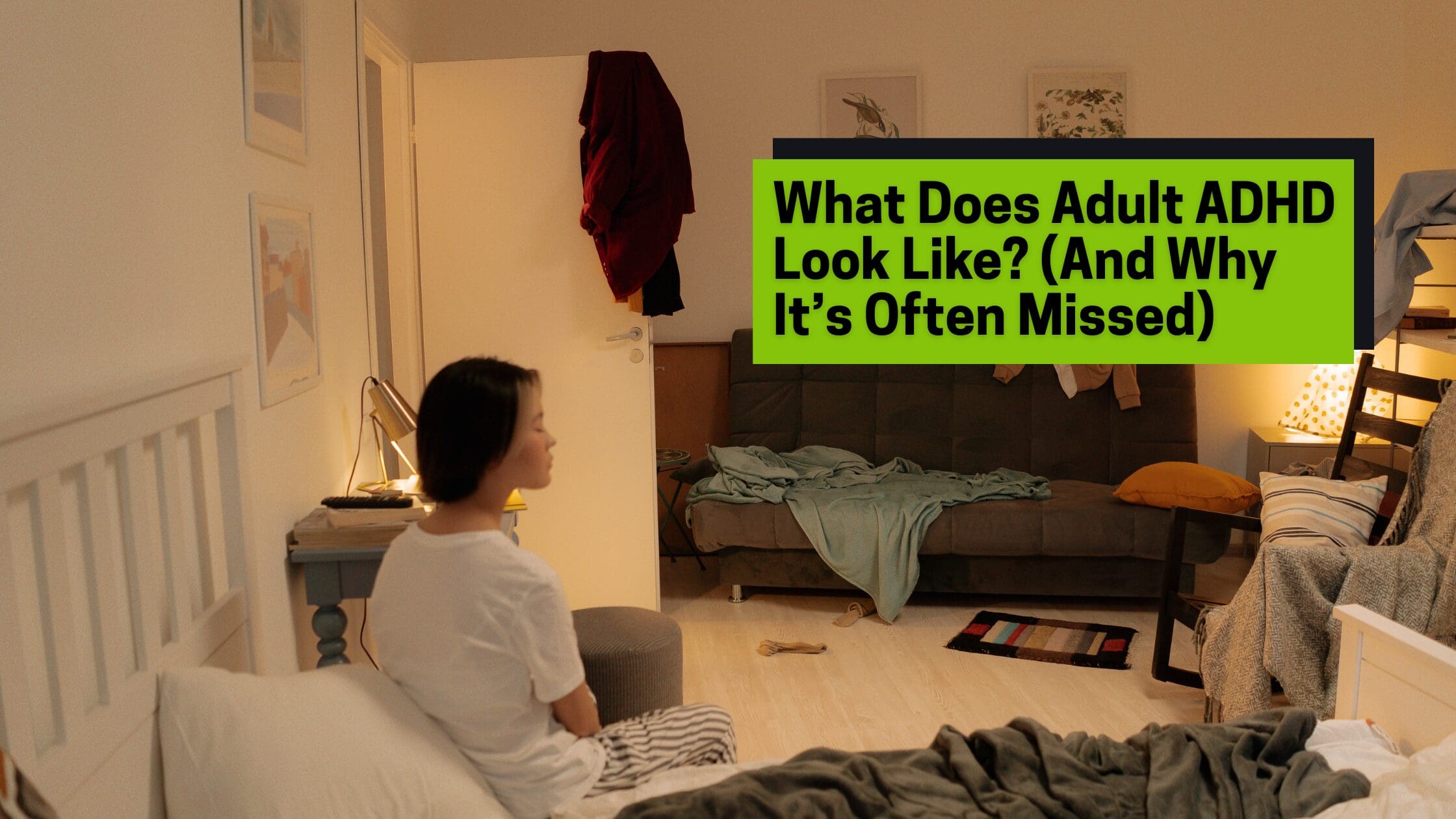
Adult ADHD often appears as disorganization, restlessness, forgetfulness, and emotional overwhelm, which are frequently missed or mistaken for stress, anxiety, or personality traits in adults.
Many people think of Attention-Deficit/Hyperactivity Disorder as something that only affects children. When adults hear “ADHD,” they often imagine a child who cannot sit still, blurts out answers, or struggles to focus in class.
In reality, ADHD can continue well into adulthood and look entirely different. Instead of obvious hyperactivity, it may appear as constant mental restlessness, disorganization, or emotional overwhelm. For those who live with it every day, understanding what adult ADHD looks like can finally make sense of lifelong struggles that others have often dismissed or misunderstood.
Understanding Adult ADHD
How ADHD Changes from Childhood to Adulthood
When someone asks, “What is ADHD like in adults?” the answer is that the core features, such as difficulties with attention, impulsivity, and sometimes hyperactivity, remain, but they often shift in form. Research confirms the core symptoms are inattention, distractibility, hyperactivity, and impulsivity. In adulthood, the hyperactivity may present as inner restlessness rather than overt running around.
The question of what adult ADHD looks like often points to how symptoms appear in daily life. Adults may struggle with organization, time management, and completing tasks. Forgetfulness can interfere with responsibilities. Tasks that seem simple to others, like paying bills on time, replying to emails, or keeping track of appointments, can become daily battles. These difficulties are not about laziness but about how the ADHD brain processes information and priorities.

Common Signs and Symptoms of ADHD in Adults
Attention and Organization Difficulties
One of the most common signs of untreated ADHD in adults is difficulty maintaining attention. Routine or repetitive tasks can feel impossible to complete. A person may start multiple activities, only to lose interest or forget what they were doing. Even tasks that seem simple, like responding to messages, can be overwhelming because sustaining focus takes immense effort. When adults begin to understand what ADHD is like in adults, they realize that their struggles with organization are not about motivation but how their brains manage attention and priority.
Impulsivity and Decision-Making
Impulsivity in adults with ADHD can affect both speech and behavior. Some may interrupt others or make comments without realizing their impact, while others may spend money impulsively or make big life changes without thorough consideration. These impulsive moments often lead to regret or misunderstanding, creating tension in relationships and the workplace. Because impulsivity is less obvious than hyperactivity, it is easy to overlook. Understanding what adult ADHD looks like involves recognizing how impulsive patterns silently shape decision-making and personal outcomes.
Restlessness and Racing Thoughts
Adults with ADHD often experience mental restlessness, even when they appear calm. Their thoughts may jump rapidly from one idea to another, making it difficult to focus on one topic or task. This can lead to frustration, burnout, and mental exhaustion, as their minds rarely slow down. Unlike hyperactive children, adults might channel restlessness into multitasking or overworking. Knowing what ADHD is like in adults means understanding this hidden, internal form of hyperactivity that affects both productivity and peace of mind.
Emotional Sensitivity
Emotional regulation problems are also key signs of untreated ADHD in adults. Many people with ADHD feel emotions intensely. They may become easily discouraged, irritated, or anxious over small challenges. Criticism can feel devastating, and rejection may trigger strong emotional reactions. Over time, this can damage self-esteem and lead to strained personal relationships. Recognizing adult ADHD also means acknowledging that emotional struggles are part of the condition and not a sign of weakness.

Why Adult ADHD Often Goes Undiagnosed or Misunderstood
1. Subtle Symptoms in Adulthood
The subtler presentation of adult ADHD is one reason it often goes unnoticed. Adults may not exhibit visible hyperactivity, which makes the condition harder to identify. Others might assume they are simply stressed or irresponsible rather than living with a neurological difference. Because many adults do not fit the traditional childhood image of ADHD, they may spend years wondering why they struggle without realizing it.
2. Masking and Compensation
Over time, many adults learn to hide or compensate for their symptoms. They may create complex routines, rely heavily on reminders, or overwork themselves to meet expectations. This masking can make them appear high-functioning on the surface, but it often comes at the cost of exhaustion and burnout. People around them may never see the effort it takes to stay organized or meet deadlines. Understanding these coping mechanisms is essential to identifying signs of untreated ADHD in adults, since those who mask their symptoms often go undiagnosed the longest.
3. Overlap with Other Conditions
Adult ADHD can resemble other mental health conditions, which further complicates diagnosis. Symptoms like restlessness, forgetfulness, and trouble concentrating can overlap with anxiety, depression, or sleep problems. Without proper assessment, adults might receive treatment for these other conditions while ADHD remains unnoticed. This overlap shows why accurate diagnosis is so important. Recognizing what ADHD is like in adults helps clinicians look beyond surface-level symptoms to find the true cause of persistent difficulties.

The Role of Psychological Evaluation in Identifying Adult ADHD
What Happens During an Evaluation
A psychological evaluation is one of the most reliable ways to confirm whether someone has adult ADHD. The process involves a detailed review of personal history, current symptoms, and how those symptoms affect work, home life, and relationships. A licensed psychologist may use questionnaires or interviews to assess attention, impulsivity, and organizational patterns. Family members or close friends might also provide input to give a complete picture. This careful approach ensures that adult ADHD is clearly identified and distinguished from other possible explanations.
Why Professional Assessment Matters
Many adults hesitate to seek evaluation because they believe they should simply “try harder” to stay focused. However, a formal assessment can be life-changing. It not only provides answers but also opens access to effective treatments and support systems. A diagnosis validates personal experiences and allows adults to let go of misplaced guilt or self-criticism. Knowing what ADHD is like in adults and receiving professional insight can mark the beginning of a more balanced and empowered life.
How Counseling Supports Adults Living with ADHD
Building Awareness and Emotional Stability
Counseling plays a vital role in helping adults understand their experiences. Many people feel immense relief when they finally identify adult ADHD in their own behavior. Counseling provides a safe environment to explore the frustrations, shame, and confusion that often come with living undiagnosed for years. By working with a mental health professional, adults can begin to separate their identity from their symptoms. This awareness is the first step toward emotional stability and self-acceptance.
Developing Practical Strategies
Once individuals understand their unique ADHD patterns, counseling can help them build customized strategies to manage daily life. This may include improving time management, learning prioritization skills, or practicing mindfulness to improve focus. Counselors also help clients identify triggers that lead to distraction or impulsivity. Through consistent sessions, adults can develop new habits that replace ineffective coping mechanisms. Over time, these tools allow them to function with greater confidence and less stress.
Improving Relationships and Self-Confidence
ADHD often affects how people communicate and connect with others. Forgetting commitments, interrupting conversations, or reacting emotionally can create misunderstandings. Counseling helps adults identify these patterns and develop healthier communication skills. As they learn to manage symptoms, relationships become more stable and fulfilling. Understanding what ADHD is like in adults helps both individuals and their loved ones build empathy and stronger support systems.

Occupational Therapy Approaches for Managing Adult ADHD
Creating Structure and Routine
Occupational therapy (OT) focuses on improving the practical aspects of daily life. Many adults with ADHD struggle with executive functioning. . An occupational therapist can help establish structured systems that bring order to everyday tasks. This might involve creating consistent routines for work, sleep, and personal care. Through these strategies, adults can gain control over their day and reduce the frustration that comes from disorganization.
Developing Executive Functioning Skills
Adults who understand the impact of adult ADHD in their work life can benefit greatly from OT support. Occupational Therapists may introduce task management tools, such as planners, visual schedules, or reminders, tailored to the client’s learning style. They help clients break large projects into smaller, achievable goals and develop realistic timelines. Learning how to prioritize and track progress can significantly reduce stress. Over time, these practical skills help to manage executive dysfunction..
Addressing Sensory and Environmental Factors
Many adults with ADHD also have differences in how they process sensory input, such as noise, light, or visual clutter. Occupational therapists help identify environmental triggers that contribute to distraction or discomfort. Adjusting workspaces, improving lighting, and minimizing background noise can help to create a sensory friendly environment. . Addressing these sensory elements helps adults improve sensory processing. . These small yet impactful changes demonstrate how OT bridges the gap between understanding what ADHD is like in adults and managing it effectively.

Seek Professional Help Today
Seeking professional help can provide clarity and open the door to meaningful change. At New Horizons Wellness Services (NHWS), adults can receive comprehensive ADHD evaluations, counseling, and occupational therapy. These services are designed to uncover underlying challenges and create individualized treatment plans that work.
No one has to continue feeling overwhelmed or misunderstood because help is available at NHWS, and a better life is possible with the right support. Contact us now!

Frequently Asked Questions
How is adult ADHD diagnosed?
Adult ADHD is diagnosed through a thorough evaluation by a licensed clinician. This process includes reviewing personal history, current symptoms, and their impact on daily life. Questionnaires, interviews, and input from close contacts may also be used. The clinician looks for patterns that began in childhood and continue into adulthood. An accurate diagnosis ensures that treatment targets the root cause of the difficulties instead of just the surface symptoms.
How can an ADHD diagnosis benefit adults?
Receiving an ADHD diagnosis can provide tremendous relief and understanding. Many adults discover that years of self-blame were based on a misunderstanding of their brain’s wiring. With a diagnosis, they can access proper treatment and support, including counseling and occupational guidance. It also empowers them to advocate for accommodations at work or school. Knowing what adult ADHD looks like brings a sense of validation and helps build a more fulfilling life.
Why do adults with ADHD often mask their symptoms?
Many adults learn to mask their ADHD symptoms to avoid judgment or maintain appearances. They may overcompensate by working longer hours, double-checking everything, or avoiding situations that expose their challenges. While these strategies can help in the short term, they often lead to stress and burnout. Masking makes the signs of untreated ADHD in adults harder to recognize, delaying diagnosis and support. Understanding this behavior helps promote empathy and reduce stigma.
What is the role of occupational therapy in treating adult ADHD?
Occupational therapy focuses on helping adults build structure and develop executive functioning skills for everyday success. It addresses areas such as time management, organization, sensory regulation, and environmental setup. By identifying personal challenges and adapting surroundings, occupational therapy helps adults manage their symptoms more effectively. Over time, these strategies lead to greater independence and self-confidence. This hands-on approach is a key part of managing adult ADHD in real life.
How can therapy help adults with ADHD improve emotional regulation?
Counseling and Occupational Therapy provide tools to understand and manage emotional reactions. Adults learn to recognize patterns of frustration or impulsivity and replace them with healthy coping strategies. Techniques such as mindfulness and cognitive-behavioral therapy are commonly used to promote calm and self-awareness. Over time, therapy strengthens resilience and emotional balance. It also fosters self-acceptance, allowing adults to embrace their strengths and handle challenges with greater control.
Yours in Health,
New Horizons Wellness Services8880 SW Nimbus Ave Suite C.,
Beaverton, OR 97008
- https://g.page/newhws
New Horizons Wellness Services provides a true multidisciplinary approach to mental & physical health treatments for children, adults and families.