
Kindergarten readiness involves social, cognitive, motor, and self-care skills. Occupational therapy and structured support help children develop independence, focus, and confidence for school success.
As parents, we’re always watching our children grow with both pride and curiosity. One of the biggest milestones in early childhood is the transition to kindergarten. You might be wondering, “Is my child ready for kindergarten?” It’s a common question and a valid one. Every child develops differently, and while age is one factor, it’s far from the only thing that determines readiness.
If you’ve noticed your child demonstrating new skills, independence, and curiosity, you might think they’re ready to take that big step. But how do you really know for sure? In this guide, we’ll walk through what kindergarten readiness looks like, how it can be evaluated, and how you can support your child through this important transition.
Understanding Kindergarten Readiness in Younger Children
The idea of kindergarten readiness can feel overwhelming, especially for parents of younger children who seem academically curious but still so small in other ways. The truth is, readiness doesn’t look the same for every child, and that’s okay.
Younger children may not always follow the same timeline as their peers, but many still display early signs of being prepared for more structured learning. These signs aren’t just about what a child knows, but how they approach learning. Are they naturally curious? Do they show interest in how things work or enjoy exploring new ideas through play? These qualities can be early indicators of a readiness mindset.
Another important consideration for younger children is adaptability. While older preschoolers may have had more time to build routines or attend structured programs, younger children who adjust well to new environments, cope with change, and seek connection with adults or peers may be more equipped than you expect.
It’s also worth noting that many younger children benefit from being challenged in the right setting, especially when their learning style matches a hands-on, exploratory classroom environment. In these cases, starting kindergarten a bit earlier may not only be appropriate, but incredibly enriching.
If you’re feeling unsure, remember that readiness is a blend of developmental maturity and opportunity. Evaluating your child’s interest in learning, their comfort with new experiences, and their resilience when faced with small challenges can offer helpful insight. These subtler signs often say more than academic checklists ever could.

How Early Kindergarten Readiness Evaluations Work
If your child is on the younger side but showing early signs of maturity or advanced skills, you may be wondering if they’re ready to begin kindergarten ahead of schedule. In this case, an early kindergarten readiness evaluation can be a valuable step toward making an informed decision, one that considers more than just age or academic exposure.
Kindergarten readiness evaluations are comprehensive assessments designed to examine whether a child possesses the foundational skills needed to participate and thrive in a school setting. These assessments go beyond the surface to provide a full picture of your child’s development and learning style.
Evaluations may include:
● Standardized assessments: These structured tests offer benchmarks that compare your child’s skills to typical developmental ranges for their age.
● Observational tools: Clinicians observe your child in real-time play and learning activities to evaluate things like focus, behavior regulation, and peer interaction.
● Parent and teacher interviews: Insights from caregivers and educators help round out the picture, offering context that standardized tools alone can’t capture.
● Play-based assessments: These help professionals understand how a child approaches problem-solving, how they communicate during free play, and how they manage frustration or change.
Through these various methods, clinicians can assess a wide range of developmental domains, including:
● Attention and focus
● Fine and gross motor coordination
● Emotional and behavioral regulation
● Social engagement
● Independence in daily routines
These evaluations are especially useful for families trying to decide whether an early school start will benefit their child or if additional support might be helpful before entering kindergarten. The outcome of a readiness evaluation can help guide families toward the right path, whether that’s starting kindergarten early, enrolling in a transitional pre-K program, or accessing services like occupational therapy to help close any developmental gaps.
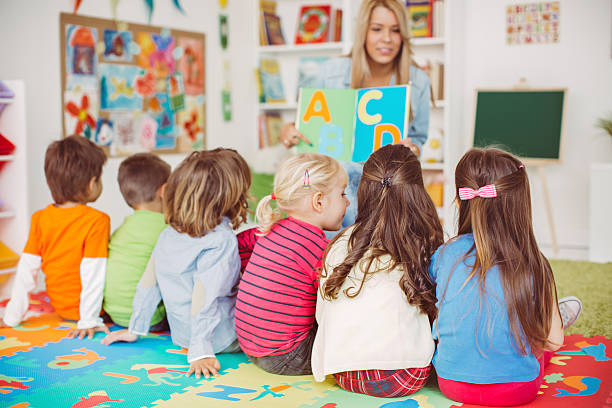
Signs Your Younger Child May Be Ready to Start Kindergarten Early
Wondering if your younger child might be ready to start school early? Here are some early signs of readiness:
Expresses interest in learning and asking questions
A child who’s naturally curious and eager to explore new ideas often shows a strong learning foundation. This might look like asking, “Why do leaves fall?” or “What does that word mean?” during storytime. It’s a sign that they’re actively thinking and want to understand more about their world.
Can follow multi-step directions
Following two or three steps in a row (like “Pick up your shoes, put them by the door, and wash your hands”) shows that your child can process and act on information. This is a skill they’ll need in a structured classroom setting.
Demonstrates independence with tasks like dressing, eating, or toileting
Kindergarten requires a level of self-sufficiency. Children who can manage their basic needs like buttoning a shirt, opening food containers, or using the bathroom without help tend to feel more confident and comfortable in the school environment.
Participates in group play and can take turns or share
Social readiness is key. If your child enjoys playing with others, can wait for a turn, or handle small disagreements without constant adult intervention, they’re building important skills for group learning and peer relationships.
Maintains attention during structured activities for at least 10–15 minutes
Sustained attention is a strong readiness indicator. If your child can stay focused during storytime, a simple art project, or a learning game for 10–15 minutes without constant redirection, they may be prepared for the demands of a kindergarten classroom.

Has basic letter and number recognition
Recognizing some letters, numbers, and even their own name in print doesn’t mean your child needs to be reading, but these early literacy and numeracy skills show foundational understanding that will be built upon in school.
Understands and uses simple language to express thoughts and needs
Kindergarten involves a lot of communication with teachers and with peers. If your child can clearly express when they’re hungry, excited, upset, or curious, it shows they can advocate for themselves and engage meaningfully in classroom conversations.
These are strong indicators that your child may be developmentally ready, even if they’re on the younger end of the age range.
What Skills Does Your Child Need for Kindergarten?
You probably already have a list of school supplies ready, but let’s talk about the essential developmental skills your child needs to succeed in the classroom. According to Lisa Stark’s article “Practicing Kindergarten,” many children enter kindergarten without meeting expectations in literacy, math, and social-emotional development. These benchmarks are just as important as academic readiness.
At New Horizons Wellness Services, our team has created a Kindergarten Readiness Checklist to help families track developmental milestones in the following areas:
1. Personal-Social Development
● Follows classroom routines and rules
● Uses the bathroom independently
● Dresses self (including zippers and buttons)
● Shares and takes turns
● Transitions between tasks with guidance
● Displays persistence with tasks
2. Physical Development
● Gallops, skips, climbs, and pedals a trike
● Uses scissors and writing tools appropriately
● Sits cross-legged and stays engaged during storytime
3. Understanding and Using Language
● Speaks in complete sentences (4–5 words or more)
● Participates in conversations and retells stories
● Follows 2–3 step directions
● Names colors, compares sizes, categorizes objects

4. Cognitive Development and Pre-Academic Skills
● Recites own name, address, and phone number
● Counts to 10 or beyond
● Recognizes letters and their name in print
● Shows curiosity and asks thoughtful questions
How Occupational Therapy Supports Kindergarten Readiness
Occupational therapy is a powerful tool to support children who may be developing skills at a different pace. At New Horizons Wellness Services, our pediatric occupational therapists focus on the foundational skills that help children succeed in school, including:
● Fine motor development (grasping a pencil, using scissors)
● Gross motor coordination (sitting upright, balance, motor planning)
● Self-care routines (dressing, eating, hygiene)
● Sensory regulation (managing noise, textures, and other sensory input)
● Attention and focus for classroom activities
Whether your child needs help with coordination, attention, or emotional regulation, occupational therapy can bridge the gap to readiness and confidence.
The Role of Social Skills Programs in School Success
Social development is just as vital as academic readiness. Many children struggle with transitions, group dynamics, and expressing their feelings in healthy ways. Social skills groups can help children:
● Build friendships and communicate effectively
● Understand and express emotions
● Practice turn-taking and problem-solving
● Adjust to group learning environments
● Boost confidence and reduce anxiety about school
At NHWS, our social skills programs are designed to be fun, interactive, and age-appropriate, helping children gain the skills they need to thrive in a classroom setting.

Supporting Your Child’s Development Before Kindergarten
You can support your child’s development through everyday activities. Here’s how:
● Read daily and talk about the story to build language and comprehension
● Encourage independent routines, like dressing, toileting, and cleaning up
● Play together, emphasizing turn-taking and cooperative games
● Provide open-ended toys that spark creativity and imagination
● Offer consistent routines to help your child feel secure and ready to learn
Don’t worry if your child isn’t hitting every milestone at the same time as their peers. Development is a journey, and early support can make a big difference.
Conclusion
Kindergarten is a major step, and it’s natural to wonder, “Is my child ready for kindergarten?” or “how to know if my child is ready for kindergarten.” Whether your child is thriving, catching up, or somewhere in between, you don’t have to navigate this journey alone.
At New Horizons Wellness Services (NHWS), we’re here to help. We offer individual and group therapy, with a specialization in providing evidence-based occupational therapy, social skills groups, and psychological services for children, adolescents, and adults.
We understand that every child is unique, and we tailor our support to meet their individual needs. If you’re unsure whether your child is ready for kindergarten or you want to give them a little extra help, we’d love to partner with your family. Contact us now!

Frequently Asked Questions:
How can I tell if my child is truly ready for kindergarten?
Kindergarten readiness goes beyond age or academics. We look at social skills, emotional regulation, independence, attention, and adaptability to determine whether a child is prepared to thrive in a classroom setting.
Should younger children start kindergarten early if they show advanced skills?
In some cases, yes. If a younger child demonstrates strong curiosity, independence, attention, and social engagement, an early start may be appropriate. A readiness evaluation helps guide this decision.
What does a kindergarten readiness evaluation include?
Our evaluations assess attention, motor skills, emotional regulation, social interaction, and independence using standardized tools, play-based observation, and caregiver input to provide a complete developmental picture.
Can occupational therapy help if my child isn’t fully ready yet?
Absolutely. Occupational therapy supports fine and gross motor skills, attention, sensory regulation, and self-care routines, helping children build confidence and readiness for kindergarten expectations.
Do you offer support programs to help children adjust to school?
Yes. New Horizons Wellness Services offers occupational therapy, social skills groups, and psychological services to help children develop the skills they need for school success.
Yours in Health,
New Horizons Wellness Services8880 SW Nimbus Ave Suite C.,
Beaverton, OR 97008
- https://g.page/newhws
New Horizons Wellness Services provides a true multidisciplinary approach to mental & physical health treatments for children, adults and families.