

Wellness matters because it focuses on overall well-being, including physical, mental, and social health, helping individuals make balanced choices that support a healthier, more fulfilling life.
So what’s the difference between health and wellness? If you are looking at the absence of disease in regards to mental and physical being, then you are focusing on health. The focus of wellness is much broader and goes beyond the scope of avoiding or curing disease. According to the World Health Organization, wellness is a state of complete physical, mental, and social well-being, and not merely the absence of disease or infirmity.
Much research and writing has been done on the topic of defining wellness. One tool that authors have used to explain wellness is a visual model called a wellness wheel. There are many different versions of Wellness Wheels that include different areas of our lives, beyond our bodies. In this example, there are 7 areas, called factors, that come together to create a holistic view of wellness.
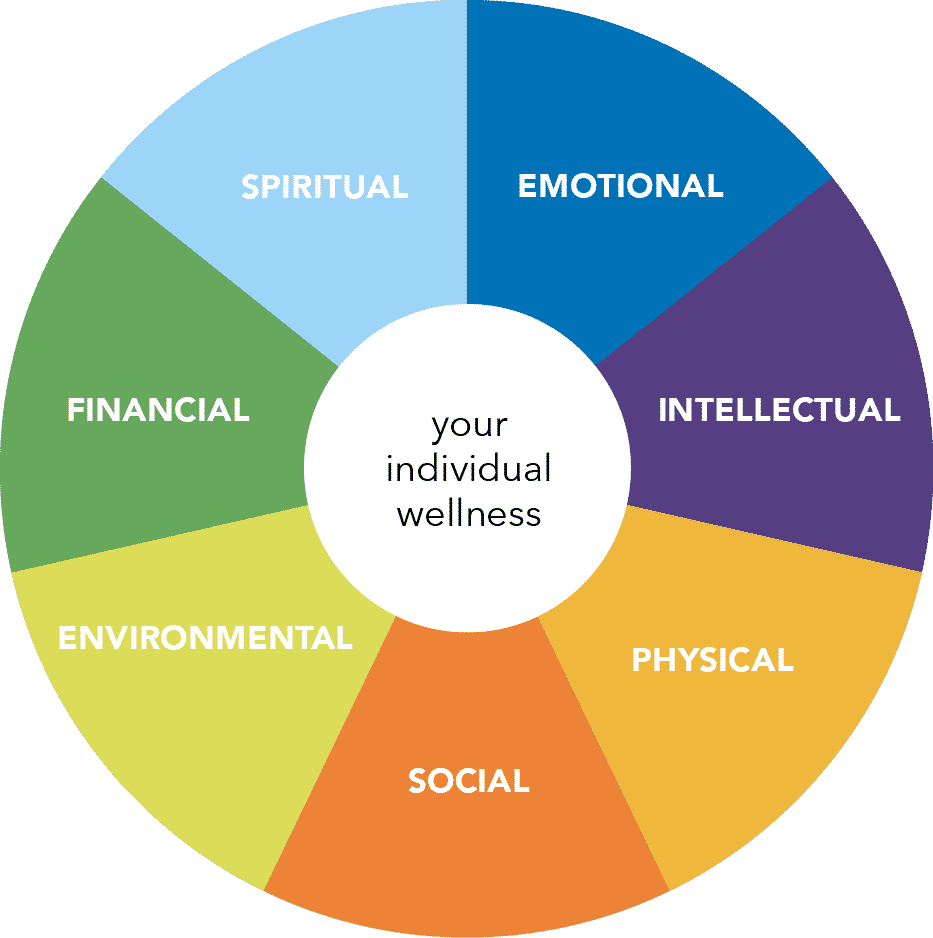 Some wellness wheels are more complex with 8 or more factors. While some are more simple with 4 factors. However, all make use of the concept that all of these areas come together to influence how we ultimately look, feel, and interact with others.
Each area of our lives is interrelated with the others to create wellness. The aim is to recognize the areas where you may face challenges and where you may have strengths. This allows you to look at yourself as a whole and complete person and take into account the environment where you are. This awareness helps you to set goals that will improve your wellness. Wellness is an active process of becoming aware of and making choices towards a healthy and fulfilling life.
January is Mental Wellness Month. Mental Wellness means that you are able to think, feel and act in ways that create a positive impact on your well-being. The cold, dark days of winter can make it hard to stay upbeat and to feel “mentally well”. If you need some ideas for what to do, see our past blog, 8 Tips for Managing Winter Blues. In addition, the American Mental Wellness Association is a resource for finding screening tools such as the Early Intervention Brain Health Screening Tool. This tool features 9 simple questions you can ask yourself or a loved one to help recognize a developing mental health or addiction problem.
At New Horizons Wellness Services, wellness matters.
We put wellness in our name because our focus is on supporting our clients and our community to become empowered while gaining the tools that they need to thrive.
Conclusion
As we begin a new year and reflect on our personal goals, it’s important to broaden our perspective beyond just physical health. While setting intentions to lose weight or hit the gym can be valuable, true wellness encompasses so much more. At New Horizons Wellness Services, we believe that wellness is not just the absence of illness—it’s a dynamic process of growth, balance, and empowerment across every area of life.
By viewing wellness through a holistic lens—using tools like the wellness wheel—we can better understand the interconnectedness of our physical, mental, emotional, and social well-being. This awareness helps us identify both our strengths and the areas that need nurturing. Whether you’re navigating seasonal changes or striving for long-term fulfillment, taking proactive steps toward your wellness can lead to a richer, more balanced life.
At New Horizons Wellness Services, our team is committed to supporting every stage of that journey. We offer Counseling Services that help individuals navigate emotional challenges, manage stress, and build stronger mental wellness. For those looking to improve functional independence and daily living skills, our Occupational Therapy Services are designed to address both physical and cognitive challenges through client-centered care.
We also provide occupational therapy for adults, helping clients enhance their well-being in the workplace, at home, and in the community by focusing on practical skills and meaningful routines. For younger clients, our pediatric occupational therapy supports children in developing sensory, motor, and social-emotional skills to thrive in everyday environments.
Additionally, our Social Skills Group programs offer a supportive setting for children and adolescents to build confidence, strengthen peer interactions, and improve communication skills—all vital for social and emotional wellness.
At NHWS, we’re here to support that journey. Wellness matters—because you matter. If you’re ready to take the next step, contact us now to learn how our integrated services can support your overall well-being.
Frequently Asked Questions:
What is the difference between health and wellness?
Health typically refers to the absence of illness or disease, focusing on physical and mental conditions. Wellness, on the other hand, is a broader concept that includes physical, mental, emotional, social, and even spiritual well-being. It’s an active process of making intentional choices toward a fulfilling and balanced life.
How can occupational therapy contribute to overall wellness?
Occupational therapy helps individuals build or regain the skills needed for daily living, whether it’s managing stress, improving motor skills, or enhancing independence. It supports both physical and emotional aspects of well-being, making it an essential part of a comprehensive wellness plan.
Why is a holistic approach important in achieving wellness?
A holistic approach considers all areas of life—body, mind, relationships, and environment—rather than focusing on just one. It helps identify underlying issues, strengths, and opportunities for growth, leading to more sustainable and meaningful improvements in overall wellness.
Yours in Health,
New Horizons Wellness Services8880 SW Nimbus Ave Suite C.,
Beaverton, OR 97008
- https://g.page/newhws
New Horizons Wellness Services provides a true multidisciplinary approach to mental & physical health treatments for children, adults and families.